.png?width=130&height=130&name=1.%20Redox-RGB_Color-1%20(1).png "multicolor-logotype.png")

Interoperability is on the tip of everyone's tongue in the Health IT space, and every time it gets dropped I never see any mention of developers. It seems like everyone has an opinion on what the government should do, what vendors should do, or what new standards need to be developed. Someone should be asking

Howdy! Jim-Jam and Georgeous here with updates in the morning, episode #1.

Accelerators have been nurturing young companies since startups became as hip as garage bands. (This was 2005ish… about the same time I was in my garage tuning my guitar.) Founders consume the wisdom of elders in a sleepless boot camp designed to spin up incredible value quickly. For the startup, the ticket to ride is somewhere around 6 percent of their seedling company in exchange for $20K and the opportunity to immerse themselves in the three-month program, usually concluding with a rockstar-like demo day event.

Many of you reading this are uneasy about blood (stop reading if you’re about to pass out), but what you should really be afraid of is unnecessary blood transfusions. Gauss Surgical can give you the specific stats, but we’re convinced. Their application, Triton, captures pictures of blood-filled specimens in the OR and calculates the estimated blood loss of that specimen using computer algorithms. Better blood calculations, increased awareness, fewer unnecessary transfusions (and it's FDA cleared). Gauss recently went live with Triton at HackensackUMC (press release), powered by Redox.
It’s a familiar story. We sit in waiting rooms filling out the same information on clip boards. We tote zip lock bags of old pill bottles that tell a better story than we can remember. Folders of visit summaries, notes, and instructions bulge into binders, into boxes. We show up unconscious without histories.
At Redox, our goal is no barriers to technology adoption in healthcare. Helping with EHR integration can accelerate adoption from a technical perspective, however, the distribution barrier largely remains. This is due to the highly bureaucratic and lengthy process software vendors go through in selling their products to health systems. The typical technology adoption cycle in healthcare is years of sales to make a decision, months of prioritization and implementation, weeks of training, and frequently just minutes for the end user to determine that it wasn’t worth it. This is crippling to startups, deters innovation, and often results in the best schmoozers getting to market, rather than the best technology.

Congratulations! It’s been something that you’ve been planning for a long time, but when you get the news, it’s still a shock. It’s actually happening. Cue the tidal wave of intense emotions. Excitement, fear, optimism: everything is about to change.

EHR integration can improve a user’s workflow while eliminating errors caused by data entry. And the more deeply integrated you are, the more your users will depend on you, making your product sticky—a good place to be. For these reasons, EHR integration has been touted as a primary feature and badge of pride for software applications who have figured out how to pull it off. I talk to startups every day who are eager to earn this badge so they can appease their customers, scale their products, raise money, and ultimately make a dent in healthcare. But what’s surprising is that the groups who do these things most effectively start without EHR integration in scope.

My flight’s delayed (anyone else part of Southwest’s great system crash of 2015?) and the Patriots are up 30 to 6 on the Cowboys… what better time to finally write a blog on my experience at Health2.0?


I’m currently running four email apps on my iPhone. I’ll probably delete a couple of them as I figure out which one I like. My choice will be based on things like features, usability, and design aesthetics. What I didn’t do is proclaim to the world that I need an email application, request proposals from app developers, then spend months analyzing the responses only to choose one app that I will forever use until my hardware doesn’t support it and I have to go through the whole ordeal again.

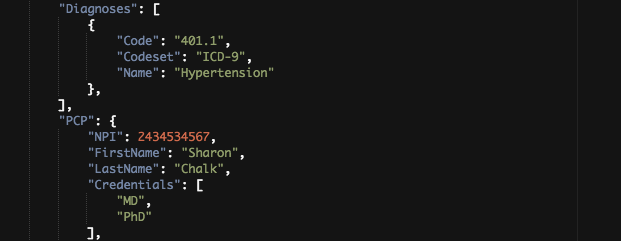
We built Redox under the assumption that our engine would be used to connect applications to health systems. Additionally, that applications prefer JSON through web services, while health systems are stuck with their EHR’s HL7 over TCP.
